
Disclosure: This post carries no affiliate links and nothing in it is sponsored. The comparison draws on manufacturer specs, coating chemistry and published owner feedback, not on hands-on testing.
Nonstick pans die young. Overheating them empty, scratching them with metal spatulas and stacking them without protectors are the usual causes.
Five popular 12-inch pans from different brands, compared on coating, price, and how long each type of coating can be expected to last.
TL;DR: The T-fal Professional 12-inch ($34.99) is the best pick for most cooks, ahead of pans twice its price. PTFE coatings last longer than ceramic, so never go above medium heat and hand wash only to get 2-5 years of use.
Before you shop: the five figures in the table below were recorded in March 2026. Cookware gets discounted hard and often, so check what a pan actually costs today before you buy. What this comparison is good for is how the coatings compare, not who happens to be cheapest this week.
The Five Pans Compared
| Pan | Size | Price | Coating |
|---|---|---|---|
| T-fal Professional (E93808) | 12-inch | $34.99 | Titanium PTFE |
| All-Clad HA1 Hard Anodized | 12-inch | $59.95 | PFOA-free PTFE |
| GreenPan Valencia Pro | 12-inch | $49.99 | Thermolon ceramic |
| Tramontina Professional | 12-inch | $29.97 | PFOA-free PTFE |
| Gotham Steel Hammered | 12-inch | $24.99 | Ti-Cerama ceramic |
Every pan is 12 inches, so size doesn't skew the comparison.
What the Egg Test Shows
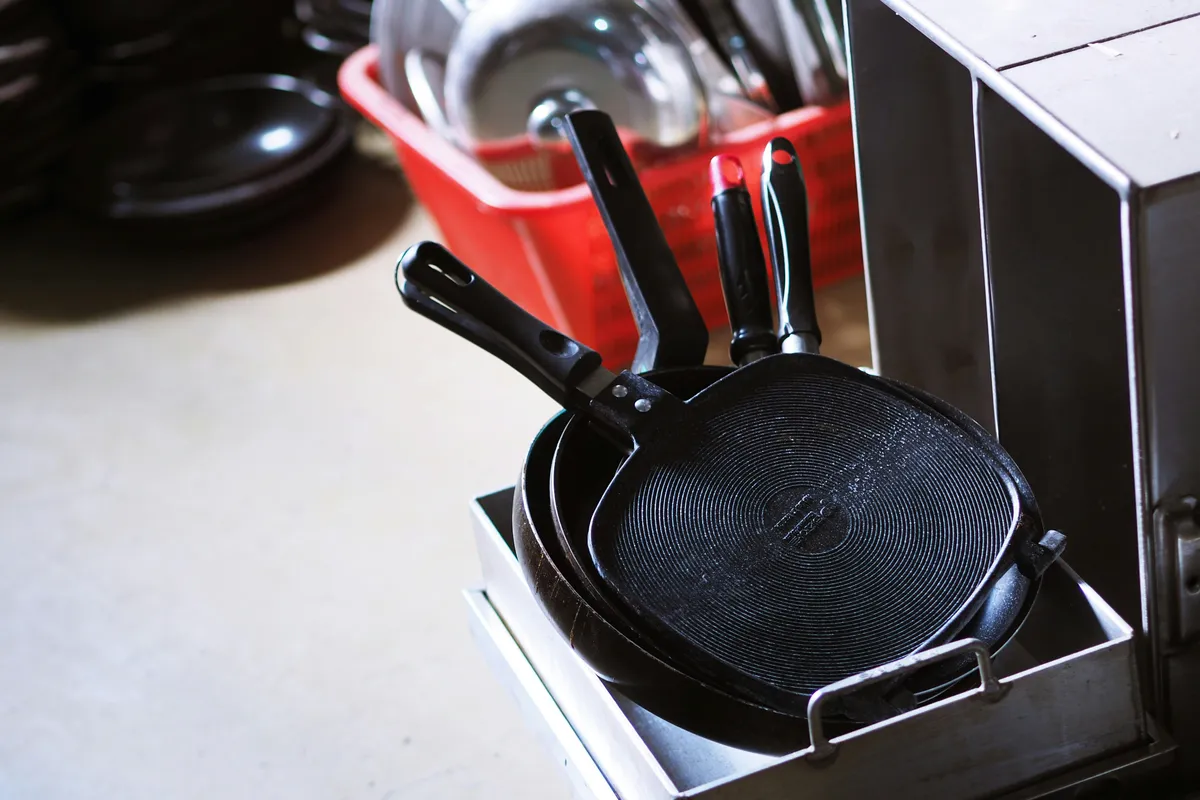
The egg test tells you everything. A truly nonstick pan lets a fried egg slide freely with zero oil, no butter, medium heat only.
Pancakes (batter sticking shows coating degradation early), seared chicken thighs (high protein dishes test adhesion resistance) and omelets make good follow-up checks.
Skip metal utensils, hand wash with a soft sponge, and follow the manufacturer's care instructions exactly. Otherwise any pan fails early, and the coating gets the blame.
Best Overall: T-fal Professional ($34.99)
This is the pick for most cooks: an affordable PTFE pan with a heat indicator and an even-heating base.
The Thermo-Spot heat indicator in the center turns solid red when the pan reaches the right temperature for cooking. Gimmicky? Maybe. But it takes the guesswork out of when to add oil, and a consistent preheat means more consistent cooking.
At $34.99 for a 12-inch pan, the price is almost absurd. The All-Clad costs nearly double, and the extra money buys build quality more than cooking performance. Is that worth $25? For most cooks, no.
What works: Even heat distribution across the cooking surface and a handle that stays cool on medium heat. It weighs 2.2 lbs, which is manageable for flipping.
What doesn't: The rivets inside the pan collect grease and are annoying to scrub. A rivetless design would be easier to clean.
Runner-Up: All-Clad HA1 ($59.95)
The All-Clad is the premium option. Heavier at 2.8 lbs, more solid, with a hard-anodized exterior that resists scratching.
But for twice the price of the T-fal, the cooking advantage is hard to point to. Both are PTFE, so eggs release and pancakes brown much alike. The sturdier build might last a year longer. If longevity matters, it's worth the premium. For most home cooks? Grab the T-fal.
Best Budget Pick: Tramontina Professional ($29.97)
The Tramontina is the budget pick. Under $30, it's a PFOA-free PTFE pan with a silicone handle grip that stays comfortable on the stove.
Budget coatings wear sooner than premium ones. Is that acceptable for a $30 pan used nearly daily? Absolutely.
If you burn through nonstick pans regularly, buying a Tramontina every 18 months is the most economical approach.
The Ceramic Disappointment: GreenPan Valencia Pro ($49.99)
Ceramic coatings feel more eco-friendly, and a new ceramic pan releases food beautifully: eggs slide, pancakes release cleanly, cleanup is effortless.
The catch is longevity. Thermolon ceramic coatings usually start losing their slickness within 6-12 months, and eggs then need butter to release.
Ceramic nonstick just doesn't last. If you replace pans yearly, ceramic is fine. For longevity, PTFE wins.
Skip This One: Gotham Steel Hammered ($24.99)
The infomercial darling. Short version: at $24.99 it's the cheapest pan here, and a ceramic coating at that price is the weakest bet of the five. The "hammered" texture that's supposed to improve nonstick properties doesn't change that.
The As Seen on TV marketing shows cheese sliding off like butter on glass. A new pan will do that. The question is month six.
What Actually Makes Nonstick Pans Last
Here's what matters for making any nonstick pan last:
Heat control is everything. Never go above medium. High heat warps cheap pans and degrades every coating faster. The FDA's guidance on food contact substances covers the materials used in cookware coatings, and overheating is the main risk with PTFE, stay under 500F and you're fine.
Hand wash only. Dishwasher heat and detergent wear coatings down fast. Hot water, soft sponge, drop of dish soap. Thirty seconds.
Store them right. Stack nonstick pans without felt protectors between them and the coating scratches from friction alone. A cheap pack of pan protectors fixes that.
Need more than just nonstick? A properly seasoned cast iron skillet handles everything a nonstick pan can't, high-heat searing, oven-to-table dishes, and it'll outlive your grandchildren. Nonstick suits eggs and delicate fish, cast iron suits everything else.
Which Pan Should You Buy?
The T-fal Professional at $34.99. Done.
If you cook eggs every single morning and want the absolute best nonstick surface money can buy, add $25 for the All-Clad. But the T-fal does most of the job and you won't feel guilty replacing it in two years.
Pair it with our best air fryers under $100 and you've got a weeknight cooking setup that handles virtually anything for under $125 total.
Related Recipes
If you liked this, try these next: