
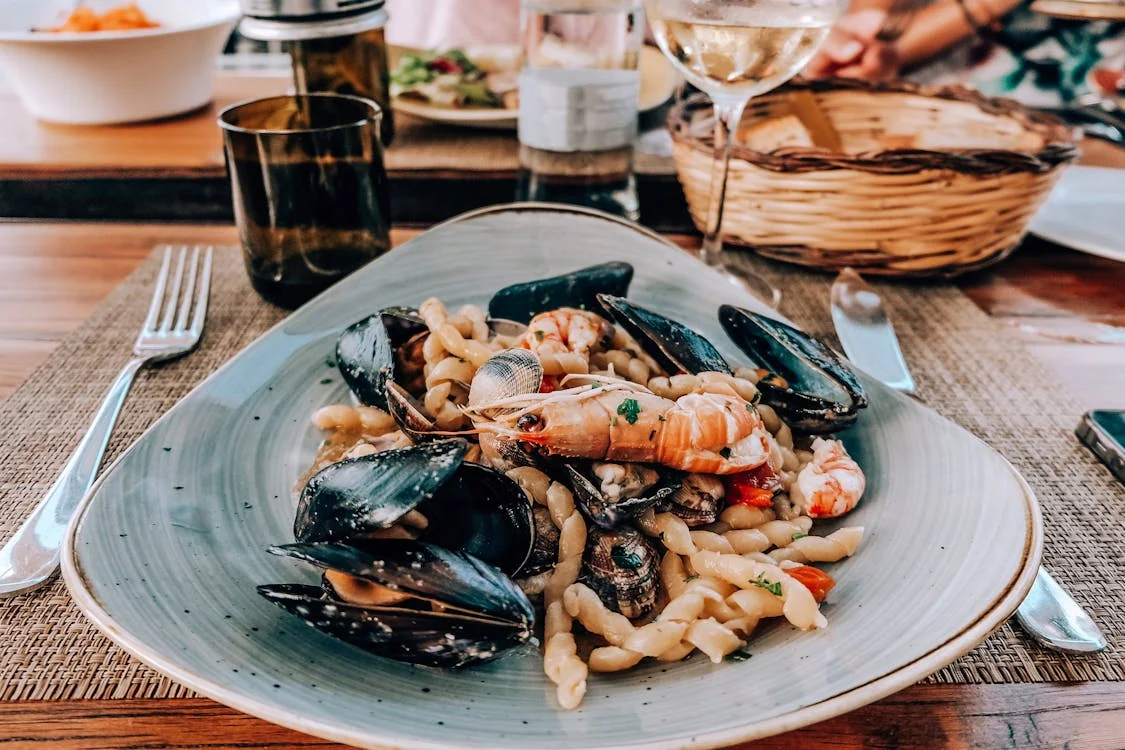
This pasta is the "nothing in the fridge" emergency dinner that earns a permanent spot on the weeknight list. The version below finishes with torn basil and a little lemon zest, which brightens the garlic butter without turning it into a different dish. The whole thing takes 18 minutes.
TL;DR: Garlic butter shrimp pasta in 20 minutes: sear 21/25 count shrimp 2 min per side, crisp sliced (not minced) garlic in butter, finish with starchy pasta water that emulsifies into a silky sauce. Serves 4.
Updated October 2026: the nutrition numbers on the recipe card were recalculated from USDA FoodData Central (the old protein and carb figures were wrong), the shrimp doneness advice now matches the federal temperature chart, and the thawing and storage times follow FDA and USDA guidance. Individual grocery prices are gone because they couldn't be re-checked. The cost per serving on the card is from May 2026.
What You'll Need
- 1 lb linguine (any bronze-cut or standard dried brand works)
- 1 lb raw shrimp, 21/25 count, peeled and deveined
- 4 tablespoons unsalted butter
- 6 cloves garlic, thinly sliced (not minced, sliced)
- 1 cup cherry tomatoes, halved
- 1/4 teaspoon red pepper flakes
- 1/2 cup reserved pasta water
- Fresh basil, roughly torn
- Salt and black pepper
- 1 tablespoon olive oil
Don't bother with expensive shrimp here. Frozen bags of 21/25 count shrimp, the kind warehouse stores sell, work perfectly. The difference from "fresh" counter shrimp disappears in a butter sauce this bold.
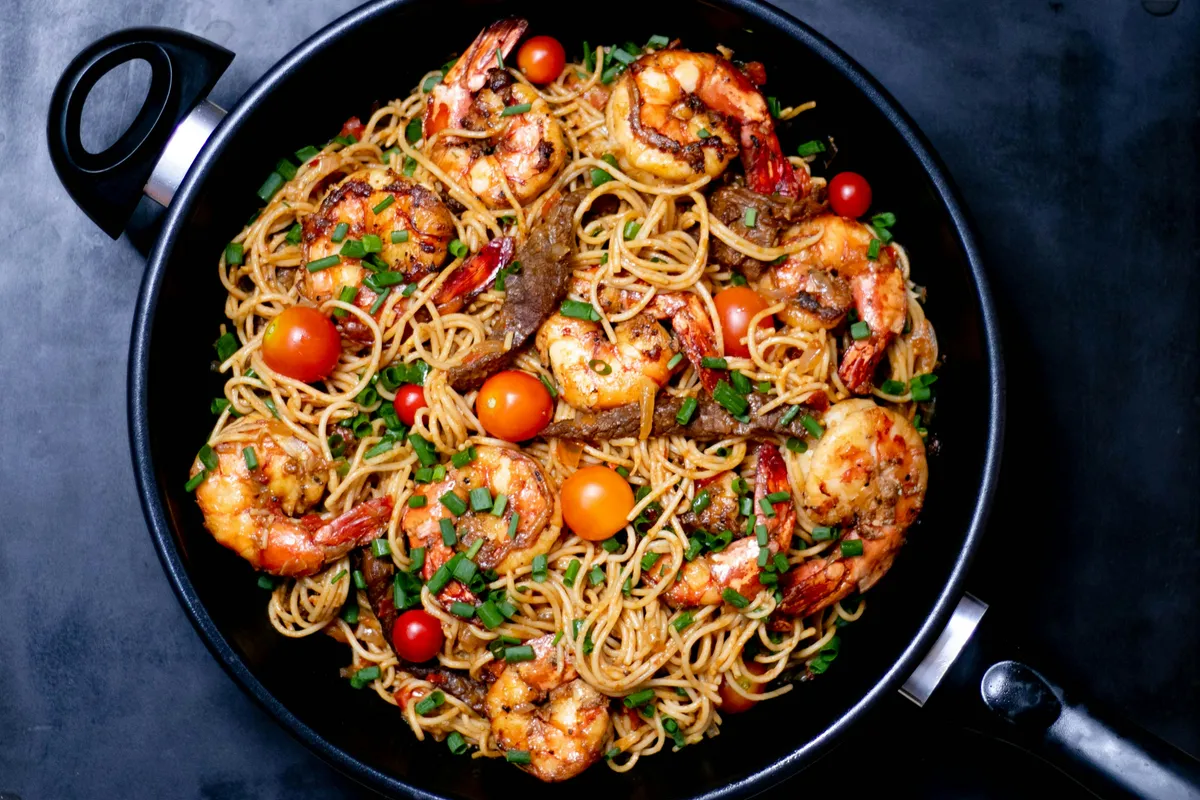
Step by Step
Start the pasta first
Fill a large pot with water, salt it generously (it should taste like mild seawater), and bring to a rolling boil. Drop in the linguine and cook 1 minute less than the package says. You want it slightly underdone because it finishes cooking in the sauce.
Set a timer. Seriously. Overcooked pasta ruins this dish faster than anything.
Cook the shrimp while the pasta boils
USDA FoodData Central lists cooked shrimp at about 24g of protein and 99 calories per 100 grams, which works out to roughly 20g of protein and 84 calories in a 3-ounce serving. A quarter of this recipe, with the pasta, comes to about 38g of protein.
Pat your shrimp dry with paper towels. This matters, wet shrimp steam instead of searing, and you'll get that grey, sad texture nobody wants.
Heat olive oil in a large skillet over medium-high. Season shrimp with salt and pepper. Lay them flat in a single layer, if your pan isn't big enough, do two batches. Crowding the pan is the number one mistake.
Cook 2 minutes per side. They should be pink with golden spots. Transfer to a plate immediately.
Build the sauce in the same pan
Drop the heat to medium. Add butter and let it melt. Toss in sliced garlic (sliced, not minced, sliced garlic gives you those crispy golden chips that are half the reason this dish works). Stir for 60 seconds until fragrant and just starting to turn gold.
Add cherry tomatoes and red pepper flakes. Cook 2-3 minutes until tomatoes soften and start to burst.
Bring it together
Drain the pasta, but save 1/2 cup of that starchy water first. This is your secret weapon for a silky sauce.
Add pasta directly to the skillet. Toss with tongs. Pour in the pasta water a splash at a time, you probably won't need all of it. The starch in that water helps the butter and water stay blended instead of separating, which is what gives you a glossy, clingy sauce rather than a puddle of grease.
Return the shrimp to the pan. Toss gently for 30 seconds just to warm them through. Don't cook them again or they'll tighten up.
Plate and serve
Divide into bowls topped with fresh basil torn over the top. Hit it with a crack of black pepper and a tiny drizzle of good olive oil if you're feeling fancy. A little lemon zest grated over the bowl right before serving wakes up the butter sauce in a way the lemon juice alone can't match.
Should the Pasta Be Al Dente?
Yes, and the rule is non-negotiable here. Pull the linguine 90 seconds earlier than the package says, taste it, and it should still have a slight bite at the center. Al dente pasta keeps absorbing the butter and pasta water while you toss it in the pan, mushy pasta dissolves into glue. The Italian word literally means "to the tooth," and that bite is the whole reason pasta finishes cooking in the sauce.
What to Do Differently
Don't mince the garlic. Minced garlic burns in butter before it develops flavor. Slicing it thin changes everything, you get caramelized garlic chips that actually taste sweet instead of bitter. Thin, even slices are a knife-grip problem more than a knife problem, so if yours come out wedge-shaped, start with the pinch grip and the claw.
Skip the grated parmesan cheese at the end. Unpopular opinion: this dish doesn't need it. The butter and pasta water create enough richness on their own. Parmesan cheese dulls the shrimp flavor. Fight me on this one, though if your family insists, dust a tablespoon of grated parmesan per bowl rather than dumping a quarter cup on top.
Common Mistakes
The classic complaint is "it's bland." Usually the pasta water wasn't salted. It's the only chance to season the pasta itself. If you skip that step, no amount of butter saves it.
Another common one: cooking the garlic on high heat. You'll get burnt, bitter chips in about 30 seconds flat. Medium heat, 60 seconds max. The moment you smell it, it's done. Pull the pan off the burner if you're nervous, residual heat finishes the job.
And please, don't skip drying the shrimp. It feels like an unnecessary extra step. It isn't. Wet shrimp release moisture into the oil, the temperature drops, and instead of a golden sear you get a sad grey steam bath. Paper towels, both sides, 10 seconds per shrimp. That's all it takes.
Timing Breakdown
| Step | Time |
|---|---|
| Boil water + cook pasta | 12 min |
| Sear shrimp (while pasta boils) | 4 min |
| Garlic butter sauce | 3 min |
| Toss + plate | 1 min |
| Total | 18 min |
The trick? Parallel cooking. Your pasta and shrimp cook at the same time. If you're standing around waiting for one thing to finish before starting the next, you're doing it wrong.
Variations and Swaps
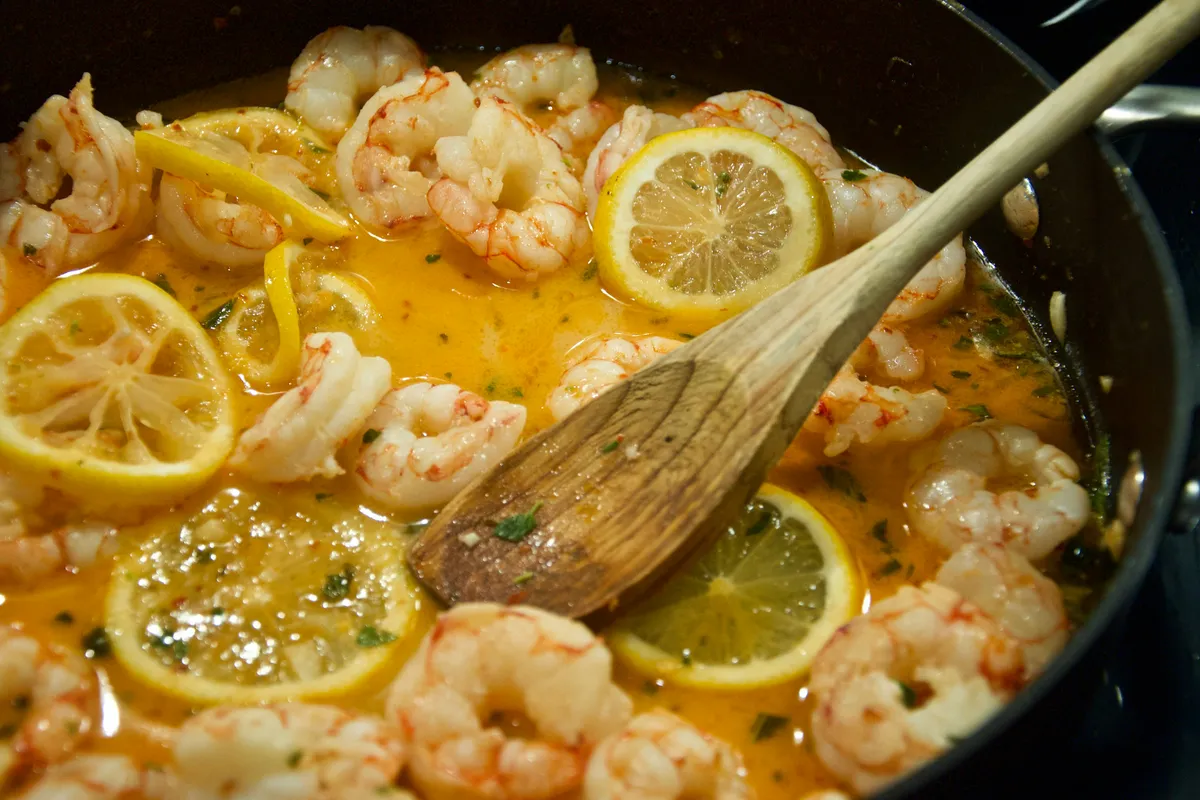
Not a shrimp person? Swap in boneless chicken thighs cut into 1-inch pieces, and cook them until a thermometer reads 165F, which takes noticeably longer than shrimp. Sweet Italian sausage sliced into coins works almost as well; cook it to 160F, the federal figure for ground meat. The butter-garlic base works with practically any protein.
For a dairy-free version, replace the butter with 3 tablespoons of good olive oil plus 1 tablespoon of tahini. You won't get that exact buttery richness, but the tahini adds body that plain oil can't match.
Pasta shape matters more than people think. Linguine is the go-to because it catches the sauce in every strand. Penne works if you like bites with sauce pooled inside each tube. Angel hair? Skip it here, too delicate for a chunky sauce with whole shrimp. It clumps and gets lost.
Want to bulk this up into more of a complete meal? Toss in a handful of baby spinach right when you add the pasta back to the pan. It wilts in about 15 seconds and adds color plus some actual nutrition. A squeeze of lemon juice at the end brightens everything up, especially if you went heavy on the butter.
Wine pairing
A crisp Pinot Grigio or an unoaked Chardonnay pairs perfectly. The acidity cuts through the butter without competing with the garlic. Skip reds with this dish. The tannins clash with the shrimp.
Food Safety Note
Shrimp is one of those proteins where safe handling actually matters. The FDA says to thaw frozen seafood overnight in the refrigerator, or in a sealed bag under cold water with the water changed every 30 minutes, and never on the counter. Cold-water-thawed shrimp should be cooked right away, and fridge-thawed shrimp keeps a day or two. As for doneness, the federal temperature chart gives shrimp no number. It says to cook until the flesh is pearly and opaque, and the 145F figure belongs to fin fish. Pink, opaque, and curled into a loose C is the signal.
If you're looking for more weeknight kitchen wins, our guide on the best air fryers under $100 covers another weeknight tool. And if you're building out your cookware, seasoning a cast iron skillet properly makes a huge difference for searing proteins like shrimp before they hit the pasta.
Storage
How to store leftover shrimp pasta: Refrigerate within 2 hours in an airtight container and eat it within 3 to 4 days, the USDA window for cooked leftovers. The shrimp is at its best in the first 2. Reheat in a skillet over medium heat with a splash of water, the starch re-emulsifies and the sauce comes back. Microwaving works in a pinch but tends to toughen the shrimp.
Honestly though, there are rarely leftovers.
Related Recipes
If you liked this, try these next: