
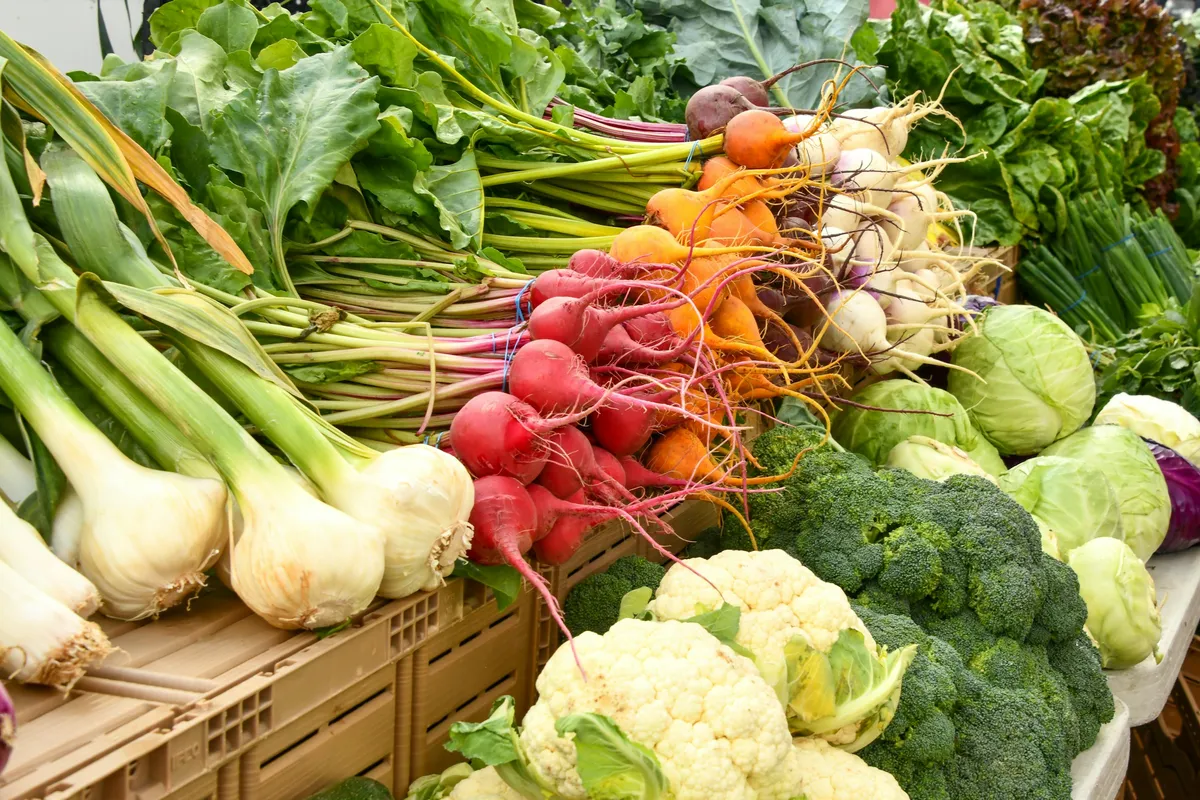
TL;DR: Mid-September 2026 grocery ads put butternut squash at an average of $0.96 a pound, acorn and spaghetti squash near $1.09, sweet potatoes around $1.00, Gala apples at roughly $1.50 a pound, and green bell peppers as low as $0.99. That's the cheap list. Honeycrisp at $3.88 and grapes over $3.00 are the trap. Build the week on the first group.
Everyone says to eat seasonally because it's cheaper. Fine. By how much?
These guides are priced against the USDA's weekly retail ad survey rather than individual receipts, because one grocery store is a sample size of one. The numbers below come from the National Retail Report for specialty crops published September 11, 2026, which compiles advertised prices from over 29,000 stores. Ads, not shelf tags. It measures what retailers are pushing, and in September they push the harvest.
What September actually costs this week
| Item | Advertised price | Worth knowing |
|---|---|---|
| Butternut squash | $0.96/lb avg ($0.79-$1.49 ads) | The floor of the whole produce section |
| Acorn squash | $1.09/lb avg | Best stuffed, weakest roasted plain |
| Spaghetti squash | $1.09/lb avg | Heavy, so weigh before you commit |
| Sweet potatoes | ~$1.00/lb, ads down to $0.69 | Cheaper than russets per meal some weeks |
| Gala apples | ~$1.50/lb; 3 lb bags avg $2.61 | Bags work out near $0.87/lb |
| Honeycrisp apples | $3.88/lb | In season and still premium priced |
| Bartlett pears | $2.38-$3.00/lb | Up 23% on last September |
| Green bell peppers | $0.99-$1.99/lb | End of the field-grown run |
| Red bell peppers | ~$1.41 each in ads | Enjoy it; winter is greenhouse territory |
| Green cabbage | $0.79-$1.28/lb | Keeps for weeks, shreds into anything |
| Broccoli crowns | $2.99/lb | Fine, not a September bargain |
| Cauliflower | $3.99-$4.48 each | Skip unless it's a loss leader |
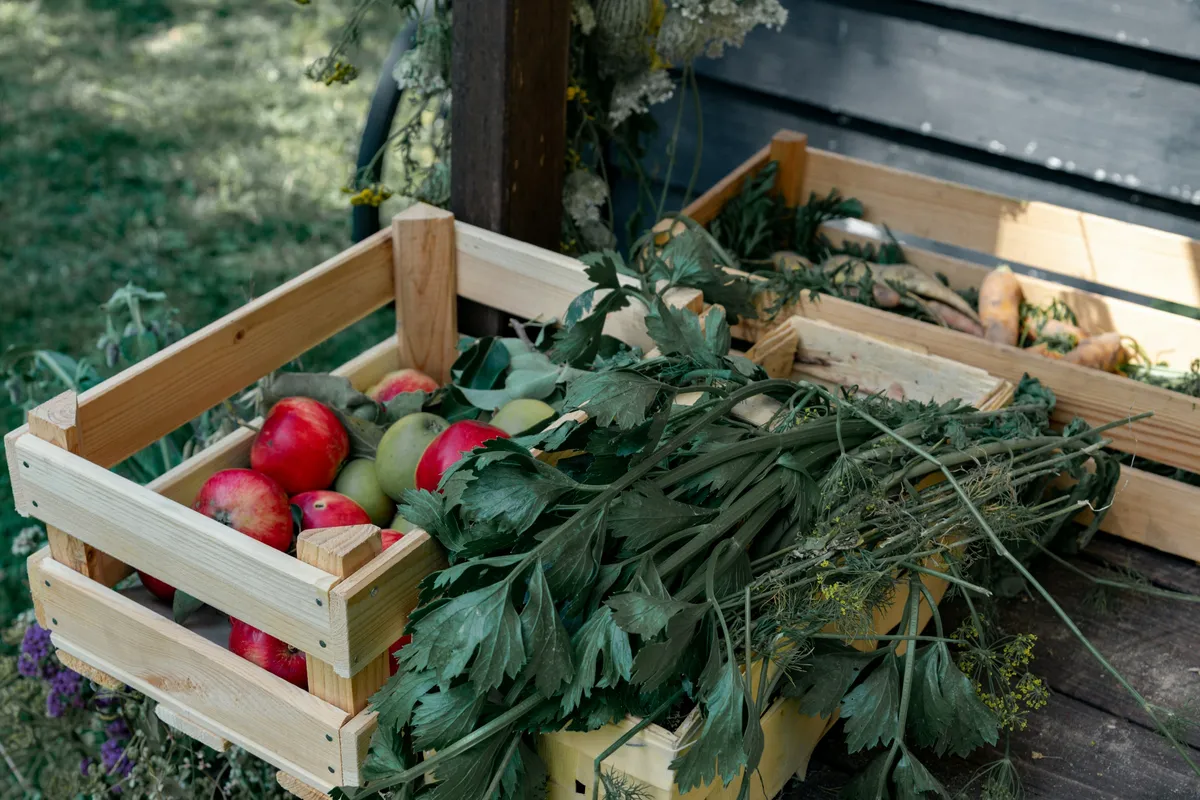
The pattern is blunt. Anything hard, orange and storable is under $1.10 a pound. Anything delicate or branded costs what it always costs.
In season does not mean on sale
Here's the part the "eat seasonal, save money" advice skips: seasonality sets the floor, not the price.
Honeycrisp is the clearest example. It's picked in September like every other apple, and it still averaged $3.88 a pound in the same ad survey that had Gala bags working out to 87 cents. Same season. Same shelf. A 4x gap. The honest take: Honeycrisp is a fine apple and a silly purchase, because Gala does 90 percent of the job for a quarter of the money, and once you're baking, the difference disappears entirely.
Pears and grapes are the other caution. Bartletts are running 23 percent above last September, and white seedless grapes in 2 pound containers jumped 51 percent year over year in the same report. A bad harvest doesn't check the calendar. If the fruit bowl is negotiable this month, apples won the negotiation.
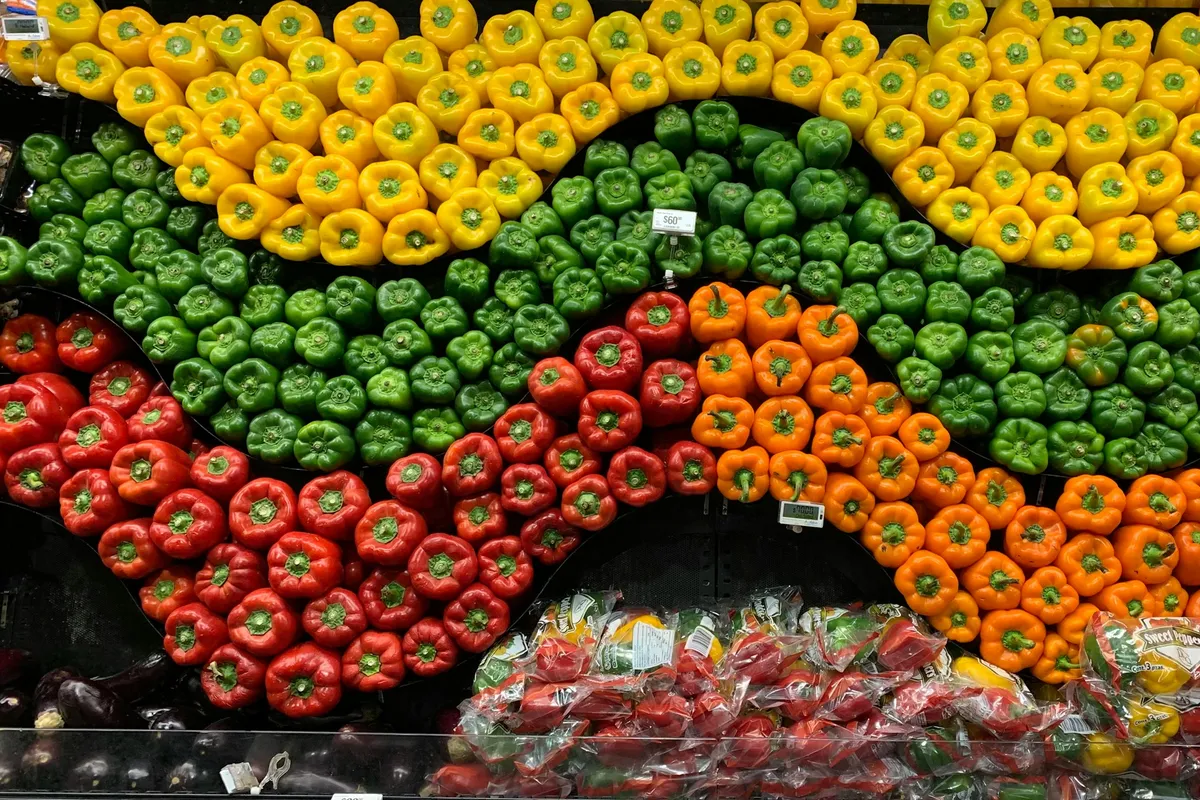
Peppers run the opposite direction. Right now red bells advertise around $1.41 each because the field-grown crop is finishing. Come January, most of what's on the shelf is greenhouse or imported and priced like it. The frustrating part is that peppers freeze beautifully sliced raw, and almost nobody does it. Buy double in September, freeze half, and skip the winter markup.
A week to cook from that table
So what does a week built on the cheap column look like? Roughly this.
Sunday: Roast two butternuts at 425 F while the oven is on anyway. One goes into dinner, the rest becomes the week's building block. There's a whole piece on squash recipes beyond soup, because pureeing the cheapest vegetable of the month into orange liquid is a waste of its best qualities.
Monday: Sheet pan sausage, squash and red onion. Twenty minutes of attention.
Tuesday: One-pot chicken and rice with the green peppers folded in near the end. Peppers this cheap should be in everything.
Wednesday: Leftover squash and cabbage fried rice. Cabbage at a dollar a pound is the most underrated thing in the store.
Thursday: Baked sweet potatoes loaded with whatever protein survived the week. If you batch cook, sweet potatoes at 69-cent ad prices are exactly the kind of anchor our $50 weekly meal prep plan is built around.
Friday: Apple and cheddar grilled cheese, cabbage slaw on the side. Gala, not Honeycrisp. Obviously.
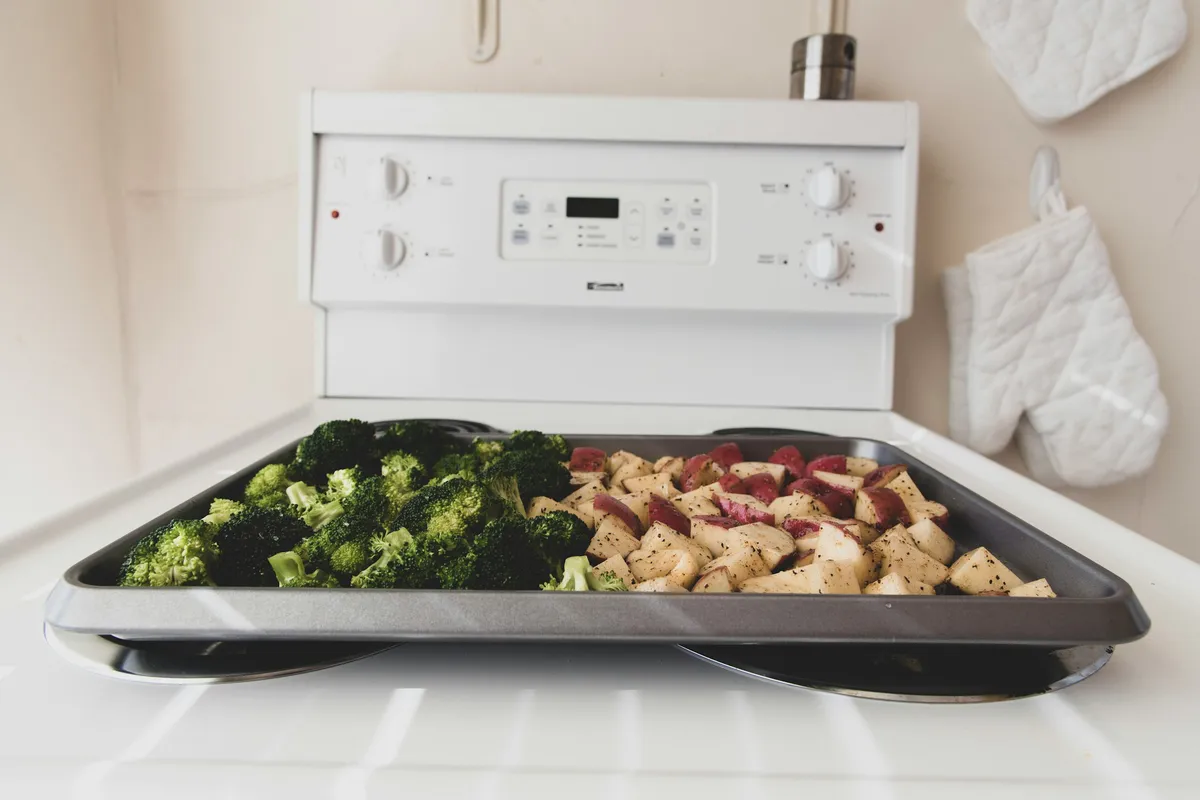
Total produce spend for that week lands under $15 at the ad prices above, and the beginner meal prep tricks apply to all of it. Would it survive a picky household? Swap the cabbage night for pasta and you're still under twenty.
What to leave in the store
Cauliflower at $4.48 a head is a hard no when squash exists at a quarter of the price per pound. Pre-cubed squash costs more and browns worse; the whole one keeps for two months in a cupboard, so there's no rush to process it. And bagged grapes over $3 a pound are dessert pricing for a snack. None of these are bad foods. They're just bad September math.
One caveat: these are national ad averages, and your region will wobble around them. A Pacific Northwest reader will see better apple prices than quoted here; a Gulf Coast reader probably won't. The ranking holds even when the exact numbers drift, and the ranking is the useful part. Squash first. Apples second. Everything premium can wait for a sale.